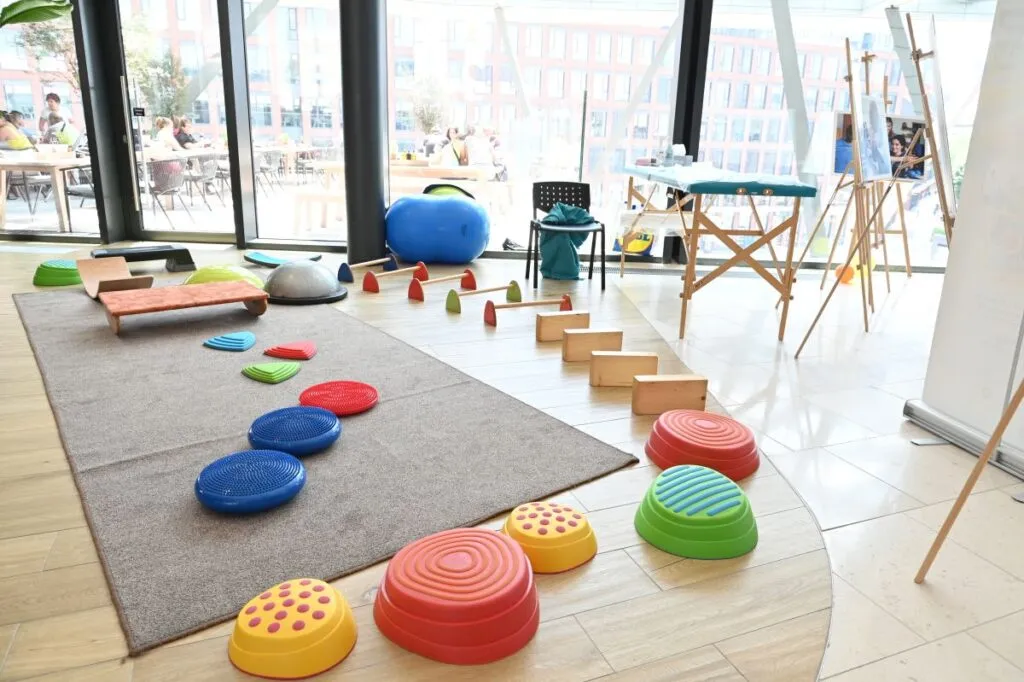
A look back at the year 2023: The ADELI BABY ZONE educates the public
The image of a healthy, developing child includes a natural curiosity for the world, the desire to discover what they do not yet know and to learn what they cannot yet do. However, not every child learns "naturally" and professional help is needed in this process. Often, adults around the child only notice delays in the child's development when there are significant delays.
Technically, coordination disorder in children is often referred to as “dyspraxia” or “developmental dyspraxia”. The term “dyspraxia” comes from Greek, where “dys” means difficulty and “praxis” means movement or action. Dyspraxia manifests as a disorder of the ability to plan and execute movements accurately and in the correct sequence. In the context of coordination disorders in children, the term “Developmental Coordination Disorder” (DCD) is also used, which emphasizes the developmental nature of the disorder. DCD can affect various areas of motor skills, including gross and fine motor skills, and is often diagnosed in children with a genetic syndrome. Doctors also frequently identify a “central coordination disorder,” which in turn points to a neurological disorder such as a brain injury or cerebral palsy. In all cases, there is a certain dysfunction of the central nervous system. A manifestation of the disorder or immaturity of the nervous system is also a significantly altered muscle tone – hypertonia or hypotonia. These disorders require immediate therapeutic intervention!
Knowledge about disorders, immaturity and delays due to central nervous system dysfunction is unfortunately not part of the general knowledge of the public or new parents. Their incidence in the population is increasing sharply every year, but the availability of specialists with experience of these phenomena is decreasing. In our practice, we often witness delayed development that could have been foreseen but was not recognized in time (especially in premature babies, children from high-risk pregnancies). It is the mission of the ADELI Medical Center to educate the public about developmental risks in babies and to provide early intervention support as early as possible. The project we developed with the ADELI Foundation has been established under the name "Keys to a Healthier Future". For 3 years, it has helped to educate the public about the warning signs of delayed development and suggests therapeutic steps to accelerate the development of babies and toddlers.
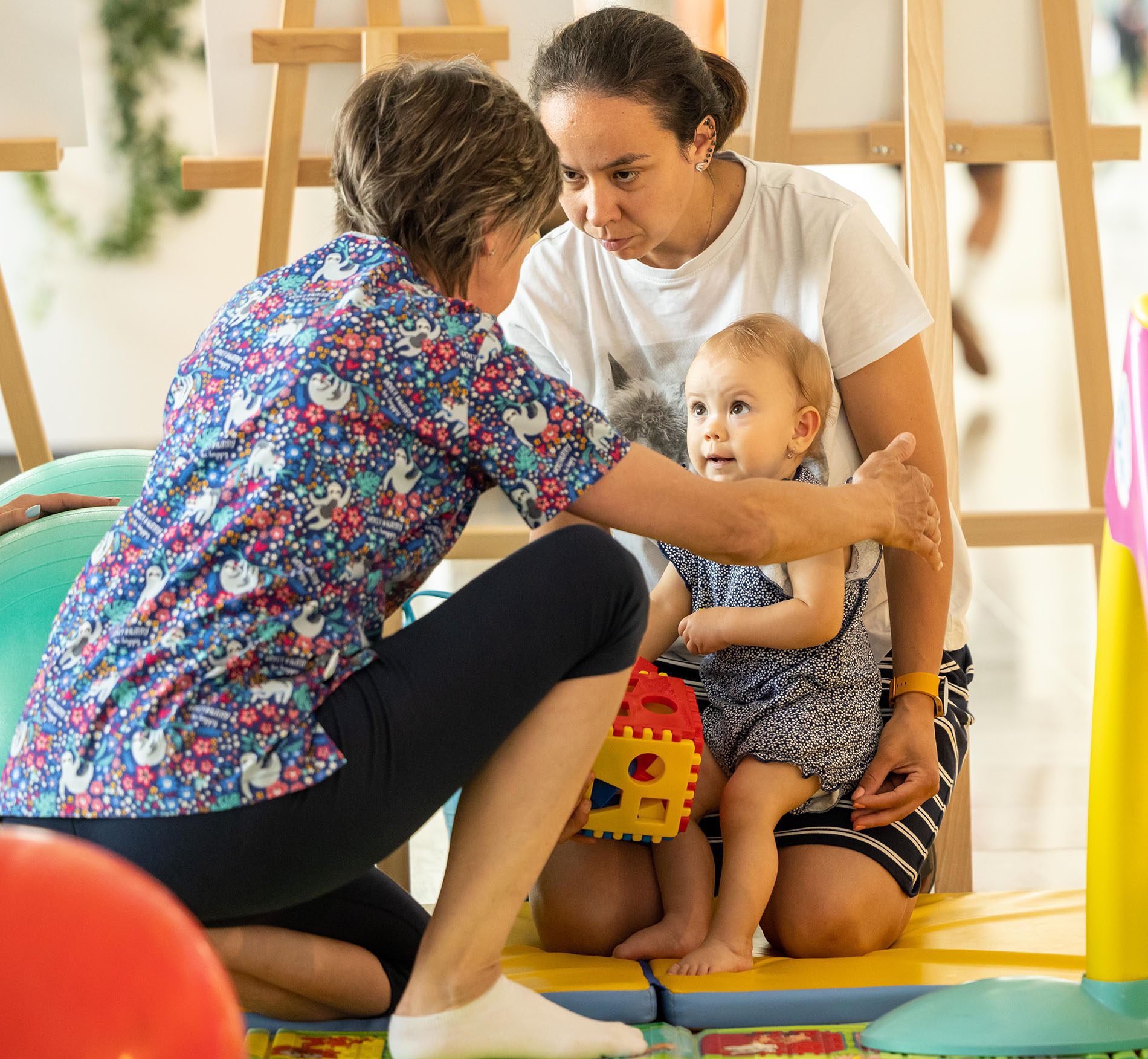
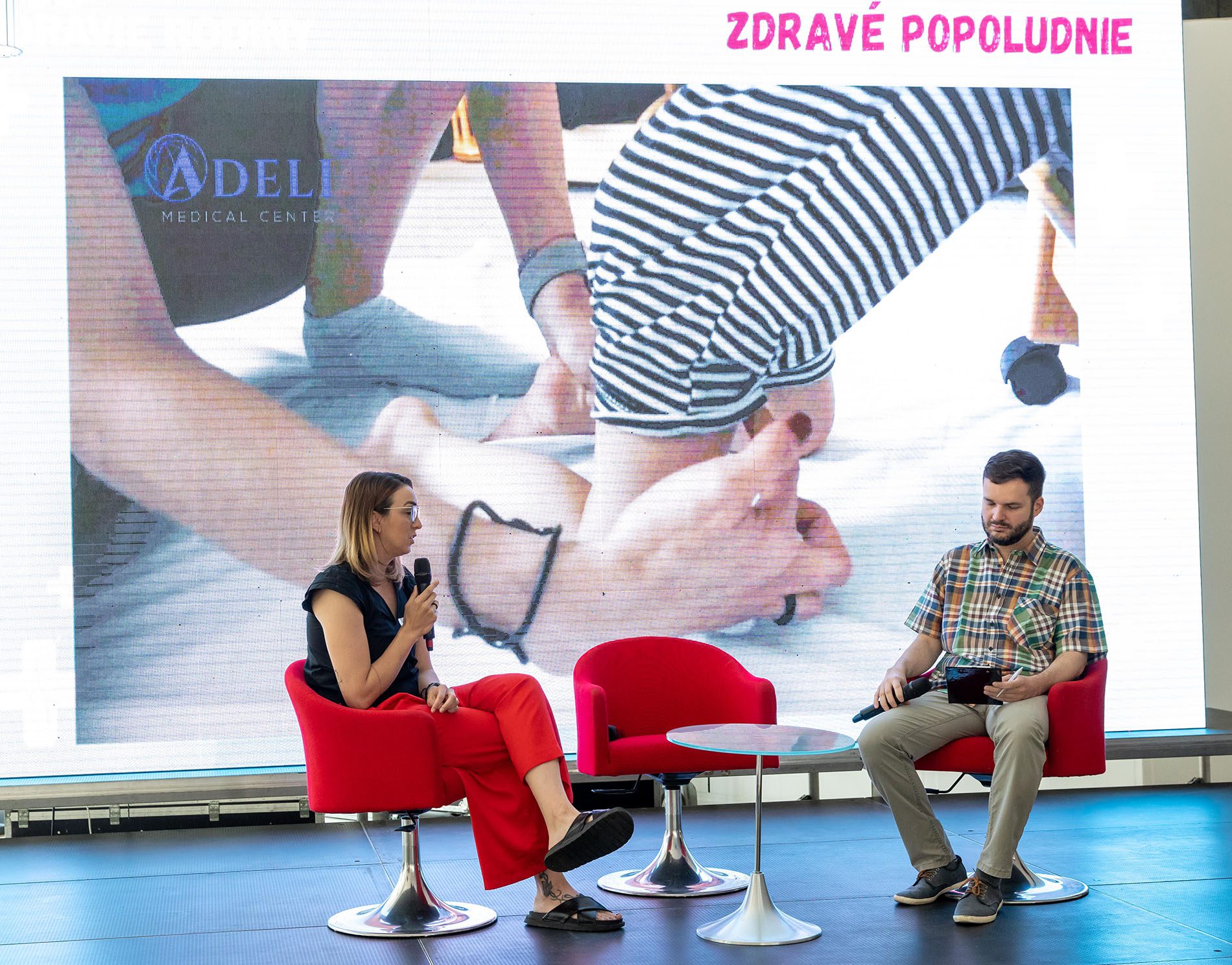
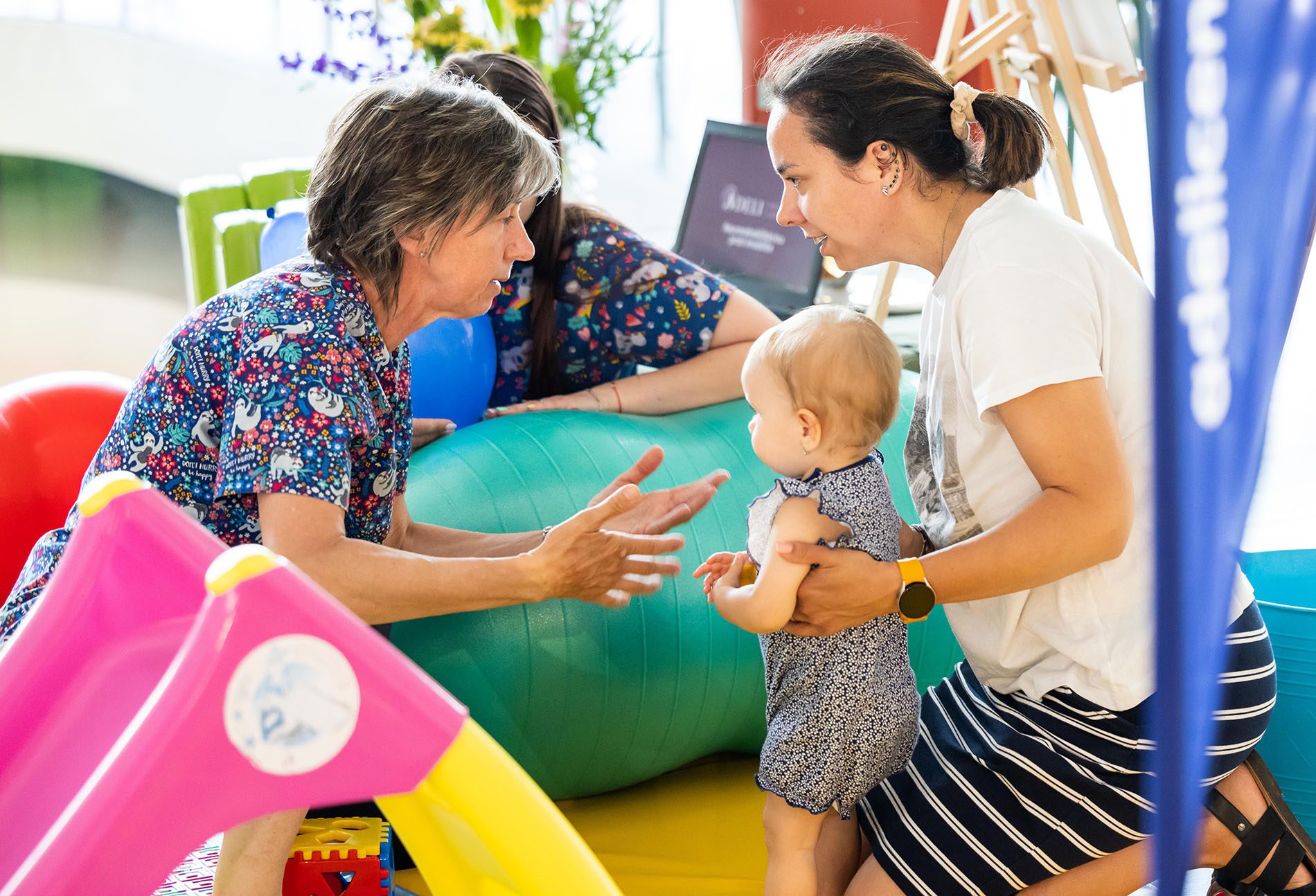
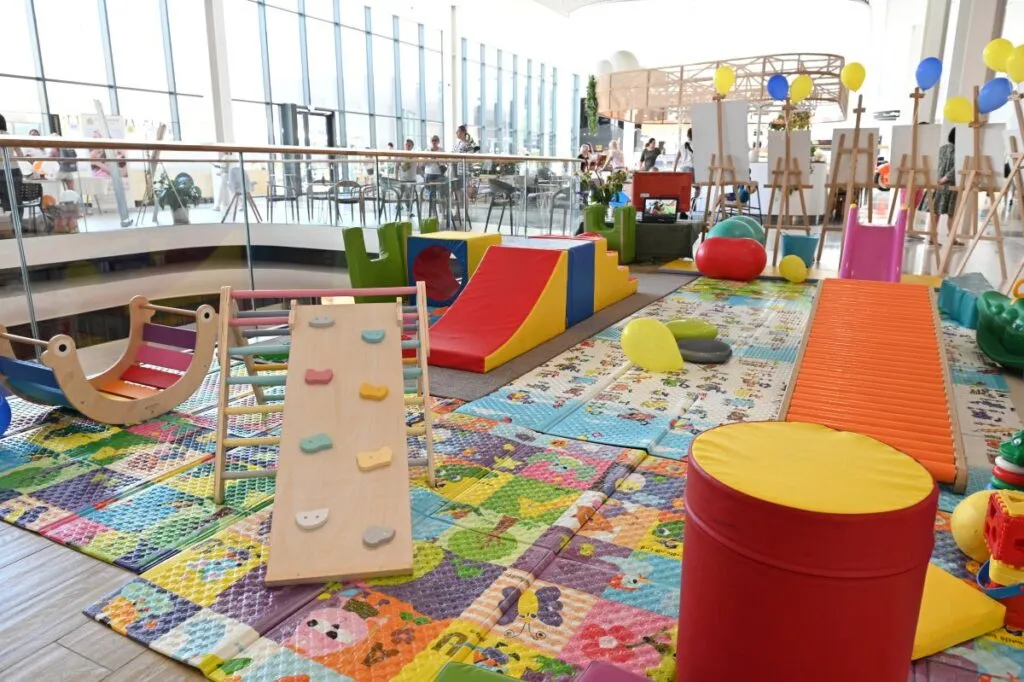
The ADELI BABY ZONE is an event that we hold regularly at the barrier-free festival “PARÁDA” in Piešťany and in Slovak shopping centers. Here, children aged 0 to 3 years have the opportunity to play on the so-called “Baby Course”. Under the expert supervision of physiotherapists from the BabyMed department at ADELI, it is possible to identify incorrect movement stereotypes. Incorrect movement stereotypes are precisely signs of faulty development. On-site, parents are given the opportunity to consult on the accuracy of their children's development and, in addition, to receive important information about the dynamics of brain development in early childhood.
What is the aim of the ADELI BABY ZONE event?
The ADELI Medical Center and the ADELI Foundation are carrying out the project “KEY TO A HEALTHIER FUTURE” in order to sensitize the entire society to warning signals of delayed development in children.
Who belongs to the group of "at-risk children"?
Parents should exercise caution if the child was born prematurely, if the birth process was unusual, if a genetic syndrome is suspected or if the child's development is significantly delayed for no known reason. Responsible parents should have basic information about the physiological laws of child development. The development of the young person's abilities later in life depends on supporting the child's development at the earliest age.
What to do if a child's development is delayed or late?
We encourage parents to seek appropriate professional and systematic solutions. We build on the rich experience of therapists at the BabyMed department BabyMed ADELI Medical Center Piešťany with signs of delayed development. We propose a path that begins with early diagnosis, the inclusion of the child in an intervention or rehabilitation program, securing its financing, and can include cooperation with parents and the pediatric neurologist in evaluating the goals of the support program.
In 2024, we will continue to strive for the greatest possible openness towards the public and, within the scope of our capacities, also for "field assignments" by physiotherapists from the BabyMed department in places where our specialist council is welcome and useful to the public.


Our therapy programs are individually tailored to the needs of our patients.


You are not logged in, click here to log in.
Your form submission will only be stored for internal use and optimization. 2 months after sending, this will be deleted again.